
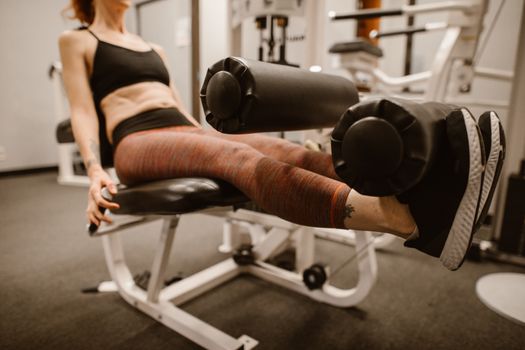
Muscle cramps are sudden, painful muscle contractions that can happen during exercise, at night, or even while resting. Although most muscle cramps are harmless, they can interrupt sleep, reduce athletic performance, and make everyday activities uncomfortable.
Understanding what causes muscle cramps and how to prevent them can help reduce their frequency and improve muscle recovery. In this guide, you’ll learn the most common causes, treatment options, and practical prevention strategies supported by current medical knowledge.
What Are Muscle Cramps?
Muscle cramps are involuntary muscle contractions that occur suddenly and may last from a few seconds to several minutes. They most commonly affect the:
- Calves
- Feet
- Thighs
- Hamstrings
- Hands
During a cramp, the affected muscle becomes tight, hard, and painful. Some soreness may remain for several hours after the cramp ends.
Although athletes commonly experience muscle cramps, they can affect anyone regardless of age or fitness level.
Common Causes of Muscle Cramps
Muscle cramps can have several different causes, and sometimes multiple factors contribute at the same time.
1. Muscle Fatigue
One of the most common causes is muscle fatigue from prolonged physical activity.
Exercises such as running, cycling, hiking, or strength training place repeated stress on muscles. When muscles become exhausted, the normal signals between nerves and muscles become less efficient, increasing the risk of involuntary contractions.
This explains why cramps often occur near the end of a long workout or competition.
2. Dehydration
Dehydration reduces the body’s ability to regulate muscle function.
Losing fluids through sweat decreases blood volume and makes it more difficult for muscles to receive oxygen and nutrients. Even mild dehydration may increase the likelihood of cramping during hot weather or prolonged exercise.
Drinking enough fluids before, during, and after activity helps maintain normal muscle performance.
3. Electrolyte Imbalance
Electrolytes help muscles contract and relax properly.
Important electrolytes include:
- Sodium
- Potassium
- Magnesium
- Calcium
Heavy sweating, illness, or inadequate nutrition can reduce electrolyte levels, making muscles more prone to cramping.
However, research suggests that not every cramp is caused by low electrolytes alone. Muscle fatigue often plays a significant role as well.
4. Poor Circulation
Reduced blood flow can limit oxygen delivery to muscles.
Some people experience leg cramps while walking due to narrowed arteries or poor circulation. These cramps usually improve with rest but should be evaluated by a healthcare professional if they occur frequently.
5. Sitting or Standing Too Long
Remaining in one position for extended periods may shorten muscles and reduce circulation.
Examples include:
- Long flights
- Desk work
- Driving
- Standing for several hours
Regular stretching and movement breaks can reduce this risk.
Symptoms of Muscle Cramps
Typical symptoms include:
- Sudden sharp pain
- Tight or hard muscle
- Visible muscle twitching
- Temporary loss of movement
- Mild soreness after the cramp resolves
Most cramps disappear on their own within several minutes.
Who Is More Likely to Experience Muscle Cramps?
Certain groups have a higher risk, including:
- Endurance athletes
- Older adults
- Pregnant women
- People working in hot environments
- Individuals with dehydration
- People taking certain medications, such as diuretics
Recognizing these risk factors can help with prevention.
How to Treat Muscle Cramps Immediately
When a muscle cramp occurs, the goal is to relax the affected muscle and restore normal muscle function as quickly as possible.
Try these steps:
Stop the activity
If you’re exercising, pause immediately. Continuing to use the cramped muscle can make the pain worse.
Gently stretch the muscle
Stretching helps lengthen the muscle fibers and may relieve the cramp.
For example:
- Calf cramp: Pull your toes toward your shin.
- Hamstring cramp: Straighten your leg and lean forward gently.
- Quadriceps cramp: Stand and pull your foot toward your buttocks.
Avoid bouncing while stretching.
Massage the area
Light massage may help increase blood flow and reduce muscle tightness.
Apply heat
A warm towel, heating pad, or warm shower can help relax tense muscles.
If soreness remains after the cramp disappears, applying an ice pack for 10–15 minutes may help reduce discomfort.
Can Drinking Water Stop Muscle Cramps?
Water plays an important role in preventing dehydration, but it is not always an immediate cure for muscle cramps.
If dehydration contributed to the cramp, drinking fluids can support recovery. However, cramps caused by muscle fatigue or nerve overstimulation may not disappear immediately after drinking water.
For long workouts or exercise in hot weather, replacing both fluids and electrolytes may be beneficial.
Best Foods That May Help Prevent Muscle Cramps
A balanced diet supports healthy muscle function.
Foods rich in important minerals include:
Potassium-rich foods
- Bananas
- Sweet potatoes
- Spinach
- Avocados
- Oranges
Magnesium-rich foods
- Almonds
- Pumpkin seeds
- Cashews
- Black beans
- Dark leafy greens
Calcium-rich foods
- Milk
- Yogurt
- Cheese
- Tofu
- Fortified plant-based milk
Eating a variety of nutrient-rich foods is generally more effective than relying on supplements unless advised by a healthcare professional.
Long-Term Prevention Tips
Although muscle cramps cannot always be prevented, healthy habits can significantly reduce the risk.
Consider these strategies:
- Stay well hydrated throughout the day.
- Warm up before exercise.
- Stretch regularly, especially after physical activity.
- Increase exercise intensity gradually.
- Replace fluids during long workouts.
- Wear properly fitted athletic shoes.
- Avoid sitting or standing in one position for extended periods.
- Eat a balanced diet containing potassium, magnesium, and calcium.
These habits support healthy muscles and may reduce the frequency of cramps over time.
When Should You See a Doctor?
Most muscle cramps are harmless and improve within minutes.
However, medical evaluation is recommended if cramps:
- Occur frequently without an obvious cause.
- Cause severe pain.
- Last longer than 10–15 minutes.
- Are associated with muscle weakness.
- Occur together with swelling, redness, or numbness.
- Interfere with daily activities or sleep on a regular basis.
Persistent muscle cramps may sometimes be related to underlying medical conditions or medications.
Frequently Asked Questions
Are muscle cramps caused by dehydration?
Sometimes. Dehydration can contribute to muscle cramps, especially during prolonged exercise or hot weather, but muscle fatigue and nerve activity also play important roles.
Do bananas really help muscle cramps?
Bananas provide potassium, which supports normal muscle function. However, eating bananas alone will not immediately stop an active muscle cramp.
Why do muscle cramps happen at night?
Nighttime leg cramps may be related to muscle fatigue, prolonged sitting, aging, pregnancy, or unknown factors. In many cases, the exact cause remains unclear.
Should I keep exercising during a muscle cramp?
No. Stop exercising until the cramp resolves. Continuing activity may worsen muscle strain and increase discomfort.
Can stretching prevent muscle cramps?
Regular stretching may reduce the risk for some people, particularly when combined with proper hydration, gradual training progression, and adequate recovery.
Final Thoughts
Muscle cramps are common and usually harmless, but they can be painful and disruptive. While dehydration and electrolyte imbalance are well-known risk factors, muscle fatigue and altered nerve signaling are also important contributors.
Most cramps improve quickly with gentle stretching, massage, hydration, and rest. Long-term prevention focuses on maintaining healthy hydration, proper nutrition, gradual training progression, and regular flexibility exercises.
If muscle cramps become frequent, severe, or occur without an obvious reason, consulting a healthcare professional is the safest approach to identify any underlying conditions that may require treatment.
Medical Disclaimer
This article is for educational purposes only and should not replace professional medical advice, diagnosis, or treatment. If you experience persistent muscle cramps, severe pain, swelling, weakness, or other concerning symptoms, consult a qualified healthcare professional promptly.
Sources
- Centers for Disease Control and Prevention (CDC)
- National Institutes of Health (NIH)
- Mayo Clinic
- American Academy of Orthopaedic Surgeons (AAOS)
- American College of Sports Medicine (ACSM)
Electrolytes After Exercise: Do You Really Need Them?
How Long Does It Take to Recover from Dehydration?
Benefits of Drinking More Water