
Table of Contents
- Why Stress Management Matters
- Exercise Regularly
- Practice Deep Breathing
- Improve Sleep Quality
- Spend Time Outdoors
- Limit Caffeine Intake
- Practice Mindfulness
- Stay Connected With Others
- Manage Your Time
- Eat a Balanced Diet
- Consider Relaxing Hobbies
- Final Thoughts
Why Stress Management Matters
Reduce stress naturally by making small but consistent lifestyle changes. Stress is a normal part of life, but chronic stress can negatively affect both physical and mental health. Long-term stress has been linked to anxiety, depression, sleep problems, high blood pressure, and a weakened immune system.
While it may not be possible to eliminate all sources of stress, there are many practical ways to manage it effectively. By developing healthy habits, you can improve your mood, increase resilience, and support overall well-being.
1. Exercise Regularly
Physical activity is one of the most effective ways to reduce stress naturally. Exercise encourages the release of endorphins, often called “feel-good” hormones, which can improve mood and reduce tension.
Walking, jogging, cycling, swimming, and strength training are all excellent choices. Even a 20 to 30-minute walk each day can make a noticeable difference.
2. Practice Deep Breathing
Deep breathing exercises can quickly calm the nervous system and reduce feelings of stress.
Try inhaling slowly through your nose for four seconds, holding your breath for four seconds, and exhaling through your mouth for six seconds. Repeating this process for a few minutes may help lower stress levels and promote relaxation.
3. Improve Sleep Quality
Poor sleep and stress often create a negative cycle. Stress can make it difficult to sleep, while lack of sleep can increase stress.
Establishing a consistent sleep schedule, limiting screen time before bed, and creating a comfortable sleep environment may help improve sleep quality and support mental health.
For additional sleep tips, read our guide on Best Foods for Better Sleep.
4. Spend Time Outdoors
Nature has a calming effect on the mind. Spending time outdoors can help lower stress hormones and improve mood.
Whether it’s a walk in a park, gardening, or simply sitting outside, regular exposure to nature can contribute to better emotional well-being.
5. Limit Caffeine Intake
While caffeine can increase alertness, excessive consumption may worsen anxiety and stress in some individuals.
If you notice feelings of nervousness or restlessness after consuming coffee or energy drinks, consider reducing your intake and replacing some caffeinated beverages with water or herbal tea.
6. Practice Mindfulness
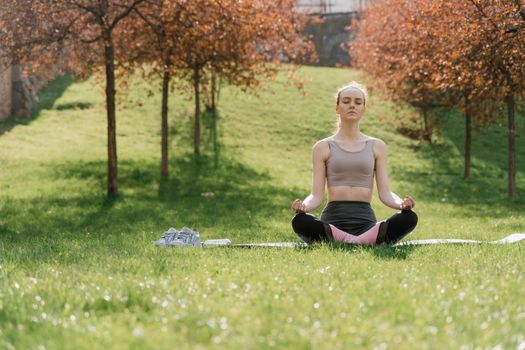
Mindfulness involves focusing on the present moment without judgment. Research suggests that mindfulness techniques may help reduce stress and improve emotional regulation.
Simple practices such as mindful breathing, meditation, or paying close attention to daily activities can help you stay grounded and calm.
7. Stay Connected With Others
Strong social connections can provide emotional support during stressful times.
Talking with friends, family members, or trusted colleagues can help you process challenges and gain perspective. Maintaining meaningful relationships is an important part of mental wellness.
8. Manage Your Time Effectively
Poor time management can contribute to feelings of overwhelm.
Creating a daily schedule, prioritizing important tasks, and breaking larger projects into smaller steps can make responsibilities feel more manageable and reduce stress.
9. Eat a Balanced Diet
Nutrition plays an important role in mental health. A diet rich in fruits, vegetables, lean proteins, whole grains, and healthy fats can support brain function and overall well-being.
Staying hydrated is equally important. Even mild dehydration may affect mood and concentration.
10. Consider Relaxing Hobbies
Engaging in enjoyable activities can provide a healthy break from daily stressors.
Reading, painting, listening to music, gardening, cooking, and other hobbies can promote relaxation and improve mental balance.
11. Reduce Screen Time
Modern technology can be helpful, but excessive screen time may contribute to increased stress and mental fatigue. Constant exposure to social media, news updates, and notifications can keep the brain in a heightened state of alertness.
Consider setting boundaries for screen use, especially before bedtime. Turning off unnecessary notifications and scheduling regular breaks from digital devices can help improve focus and reduce feelings of overwhelm.
Taking even a short digital detox each day may help create a healthier relationship with technology and support better mental well-being.
12. Learn to Say No
Many people experience stress because they take on too many responsibilities. While helping others is important, constantly saying yes can lead to burnout and emotional exhaustion.
Learning to set healthy boundaries is an essential part of stress management. It is okay to decline commitments when your schedule is already full or when additional obligations may negatively affect your well-being.
By protecting your time and energy, you can focus on priorities that truly matter.
13. Keep a Gratitude Journal
Practicing gratitude is a simple but powerful habit that can improve mental health. Studies suggest that focusing on positive experiences may help reduce stress and increase overall life satisfaction.
Consider writing down three things you are grateful for each day. These can be small moments, accomplishments, supportive relationships, or positive experiences.
Over time, this habit may help shift attention away from stressors and toward the positive aspects of life.
14. Listen to Music
Music can have a significant impact on emotional well-being. Many people find that listening to calming music helps them relax and unwind after a stressful day.
Slow-tempo instrumental music, nature sounds, or other relaxing audio can help lower tension and promote a sense of calm. Music may also improve mood and provide a healthy distraction from everyday worries.
Creating a personal playlist for relaxation can be an effective stress-management tool.
15. Seek Professional Support When Needed
While lifestyle changes can be very effective, some individuals may experience persistent stress, anxiety, or emotional difficulties that require additional support.
Speaking with a licensed mental health professional can provide valuable guidance and coping strategies. Seeking help is not a sign of weakness but rather a proactive step toward improving mental well-being.
Professional support can help individuals better understand stress triggers and develop personalized techniques for managing them effectively.
Frequently Asked Questions
Can exercise really help reduce stress?
Yes. Regular physical activity helps release endorphins, improve mood, and reduce tension. Even moderate exercise such as walking can contribute to lower stress levels.
How much sleep do adults need?
Most adults should aim for seven to nine hours of quality sleep each night. Adequate sleep is important for both physical and mental health.
What foods may help reduce stress?
A balanced diet that includes fruits, vegetables, whole grains, lean proteins, and healthy fats can support overall well-being. Staying hydrated is also important.
Is stress always harmful?
Not necessarily. Short-term stress can help people respond to challenges. However, chronic stress that continues over long periods may negatively affect health and should be managed appropriately.
Final Thoughts
Learning how to reduce stress naturally does not require dramatic lifestyle changes. Small, consistent habits such as regular exercise, quality sleep, mindfulness, healthy eating, and social connection can have a significant impact over time.
By incorporating these techniques into your daily routine, you can better manage stress, support your mental health, and improve your overall quality of life.
For additional sleep tips, check our guide:
Best Foods for Better Sleep